- news
Tuesday, 24th March 2026
Justice for unsafe homes: LCN responds to consultation on disrepair
The Law Centres Network recently submitted evidence to the joint call for evidence from the Ministry of Housing, Communities and Local Government and the Ministry of Justice on housing disrepair claims and the role of claims management companies.
The consultation asks an important question: is the current regulation system for housing disrepair working effectively? From Law Centres’ work with renters, we can say it is not.
Decent homes are not a luxury
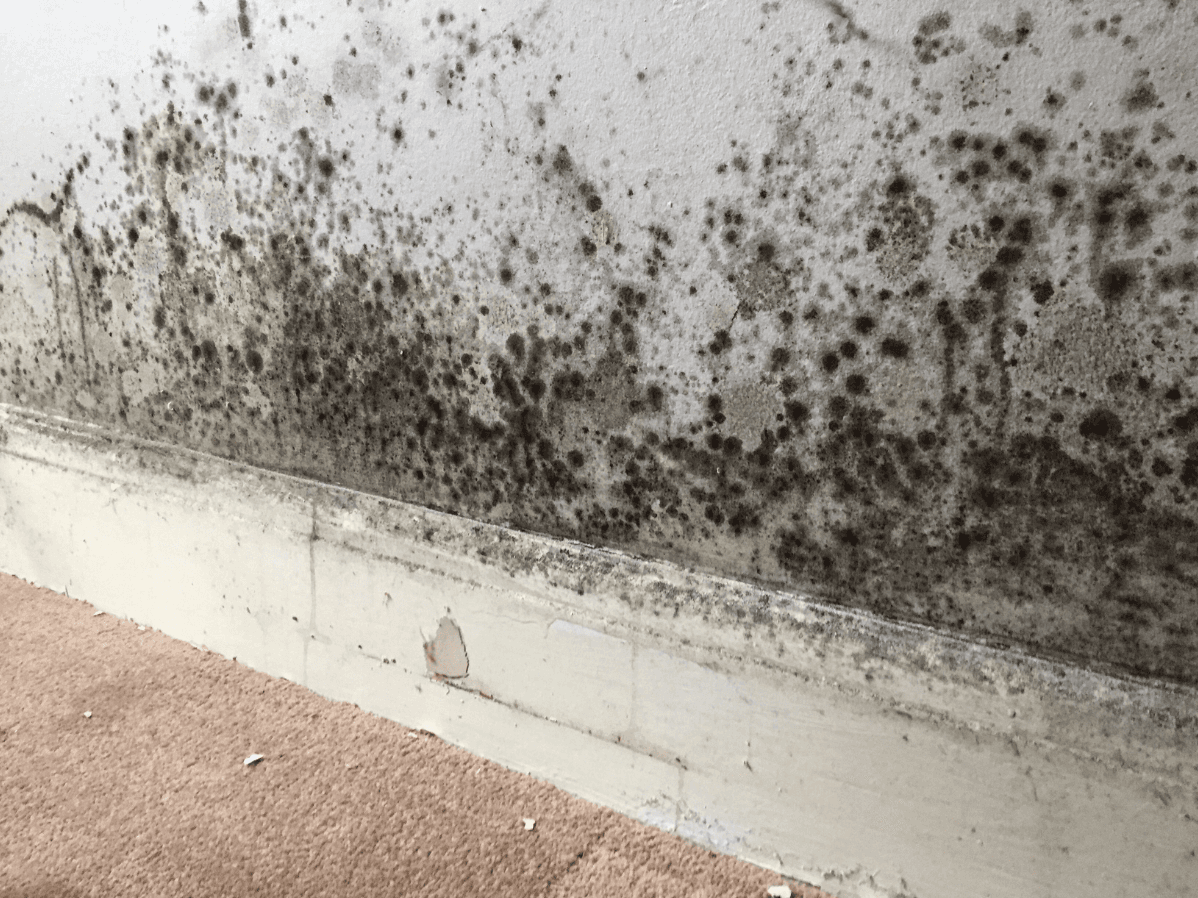
Everybody deserves to live in a decent home. Yet poor housing conditions remain widespread. In England, around one in five homes fails to meet the Decent Homes Standard, while in the private rented sector, the problem is significantly worse: close to a quarter of privately-rented homes are classed as non-decent, compared with a lower proportion in social housing. Damp, mould, excess cold and serious hazards are daily realities for too many households, who then struggle to get landlords to address them.
For Law Centres across the country, housing law is a primary practice area of casework. That is not an accident. It reflects the centrality of housing to every other right: health, education, employment and family life all depend on a safe, stable home.
The problem IS the evidence
The fact that poor housing conditions are so common, we told the government, is itself proof of a failing enforcement system. There are remedies for renters, who could theoretically bring a court claim against their landlords. The fact that many do not suggests two things: first, that the procedure is not simple enough for them to do it on their own; and secondly, that there is not enough affordable assistance for them to bring disrepair claims, especially for vulnerable people with complex claims.
Before the Legal Aid, Sentencing and Punishment of Offenders Act 2012 (LASPO), renters in need could get legal aid to challenge poor housing conditions. However, the Act removed most disrepair issues from scope, leaving only limited exceptions. Predictably, what resulted was a gap between renters needing professional assistance to hold landlords to account, and a flagging supply of affordable assistance from lawyers, who were struggling to afford to provide such services.
Into this gap stepped commercial Claims Management Companies (CMCs) that, as the consultation described it, ‘sometimes seek out people who might be able to make a legal claim so they can pass those claims on to law firms and earn a referral fee.’ The consultation also looked into their practices.
CMCs are profit-seeking enterprises, and not all are regulated by legal regulators. Where vulnerable tenants are encouraged into high-volume, process-driven claims without clear advice about risks, remedies or alternatives, the system is not working as intended.
Needs-based representation
This consultation focuses heavily on claims management activity, but we have argued that policy must not be shaped by just one part of the market. There is a broader ecosystem at work to assist renters. This includes Law Centres, other not-for-profit housing specialists providing independent advice, and other tenant-side housing solicitors, all of whom make up a small but important minority of the property law field. As legal aid is too limited, these practitioners rely on the losing party—a negligent landlord—paying the winning party’s legal costs in full, as is the way in our civil courts.
What fairness really requires
For the millions of us who rent our homes, the standards of housing conditions must be fair and their enforcement must be effective. This requires reform—that which focuses on strong regulatory standards and proactive enforcement ‘with teeth.' This should deter landlords from neglecting their properties and reduce the need for litigation.
Properly funded legal aid and community-based services are needed so, where disrepair does occur, tenants must be able to access early legal advice
Renters must continue to have effective access to the courts, so costs rules must continue to enable their lawyers to operate sustainably
Renters must be able to choose to take landlord disputes to ombudsman schemes because they think they are worthwhile—not because they are unable to manage or afford a court disrepair claim
A fair system of redress is one that ensures the law works for renters in practice, not just in theory. Law Centres will continue to engage with government to build a redress system that protects dignity, health and justice for everyone.
For media enquiries, please contact media@lawcentres.org.uk
Latest News
Wednesday, 14th October 2026
Hillingdon Law Centre closes after five decades serving west LondonTuesday, 7th July 2026
High Court judgment reinforces councils' duty to support homeless disabled peopleWednesday, 6th May 2026
Hillingdon Law Centre temporary closure: our statement
Stay in the loop
Sign up for our monthly newsletter to stay in the loop