- news
Tuesday, 7th July 2026
High Court judgment reinforces councils' duty to support homeless disabled people
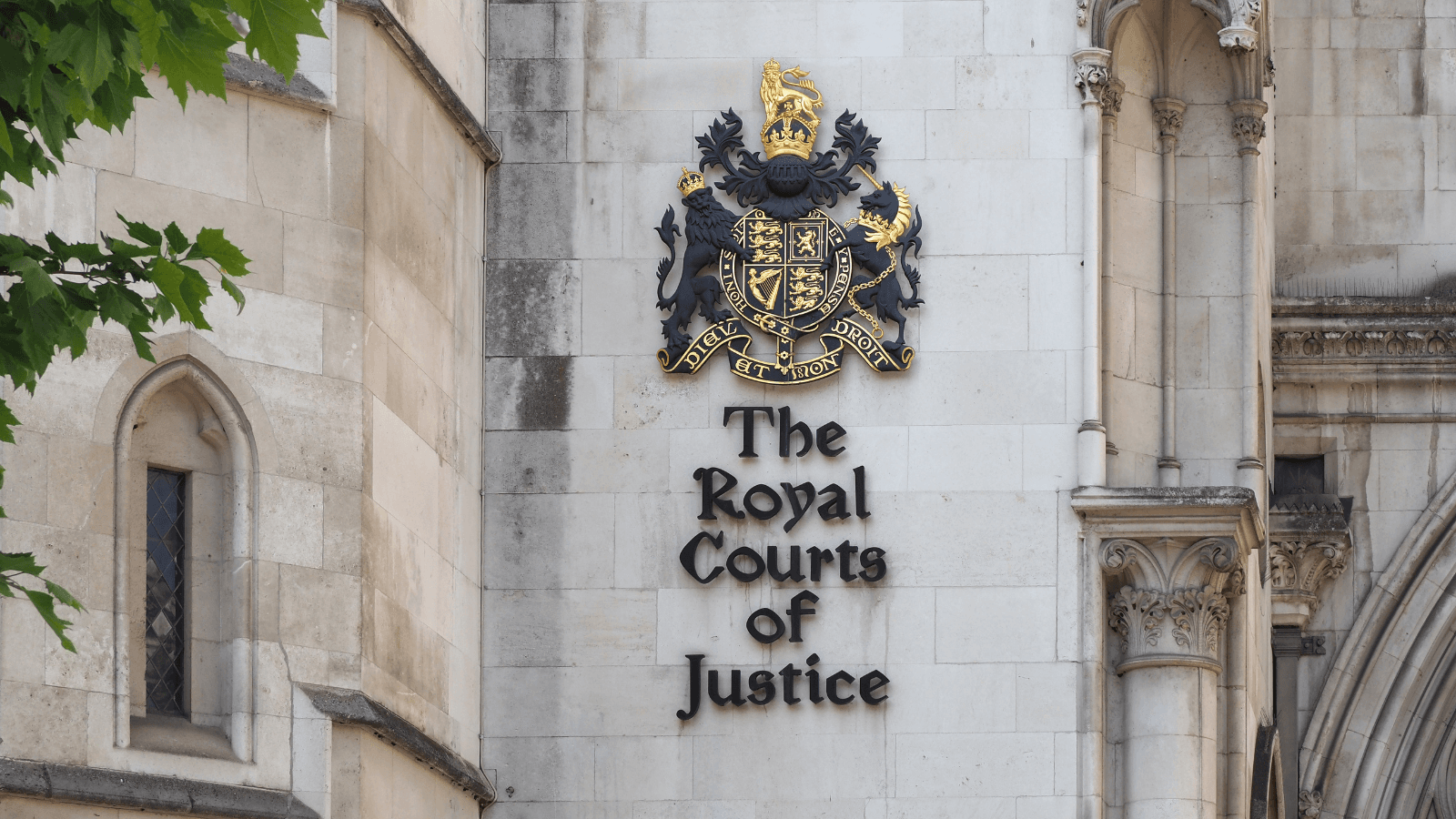
Southwark Law Centre has secured an important High Court victory in a case that could strengthen protections for disabled people placed in temporary accommodation away from their support networks.
The Law Centre’s client, PA, became homeless following a stroke which left him with significant care and support needs. Because he relied on carers and family members living in Lambeth, the council accepted that he needed accommodation in the borough or nearby.
Despite this, after a lengthy delay and repeated failures by Lambeth Council to provide suitable accommodation, PA was placed outside the borough, away from the support network he depended on. After numerous complaints failed to resolve the situation, legal proceedings were issued.
The case raises an issue affecting many disabled homeless people in London. Faced with severe shortages of temporary accommodation, councils frequently place households outside their home boroughs. While this can be disruptive for anyone, it can be particularly damaging for disabled people who rely on carers, family support, specialist healthcare services and local community networks.
The Law Centre argued that Lambeth Council had failed to make reasonable adjustments for PA’s disability. Although the council later provided PA with a permanent council tenancy after legal proceedings were started, the discrimination claim continued through the courts.
The High Court has now ruled that local authorities must be able to demonstrate that their systems are operating effectively in practice. The court found that Lambeth had not provided sufficient evidence about how its arrangements for moving disabled applicants into suitable accommodation actually worked, or why so many failures had occurred in PA's case. The matter will now return to the County Court for reconsideration.
Southwark Law Centre acted for PA in the High Court appeal after the closure of Centre 70, which represented him in the earlier stages of the case. The appeal was conducted by Southwark Law Centre housing solicitor, Oscar Leyens, with counsel Nick Bano of Garden Court Chambers.
Oscar Leyens said:
‘The failures by Lambeth in our client's case left him in awful situations without the support of his carers. Unfortunately, these types of mistakes are too common, and the case comes in a line of authorities that show Lambeth’s homelessness services are in crisis, leading to both unlawful and very poor service provision to homeless applicants. Lambeth should properly explain themselves and be held to account for that.’
The judgment sends a clear message that councils and other public authorities must be able to demonstrate that their arrangements for supporting disabled people are effective in practice, not merely in theory. No one should lose access to the care and support they depend on because they have become homeless. Law Centres will continue to fight for a system that recognises and protects the rights of disabled people.
For media enquiries, please contact media@lawcentres.org.uk
Latest News
Wednesday, 14th October 2026
Hillingdon Law Centre closes after five decades serving west LondonTuesday, 7th July 2026
High Court judgment reinforces councils' duty to support homeless disabled peopleWednesday, 6th May 2026
Hillingdon Law Centre temporary closure: our statement
Stay in the loop
Sign up for our monthly newsletter to stay in the loop